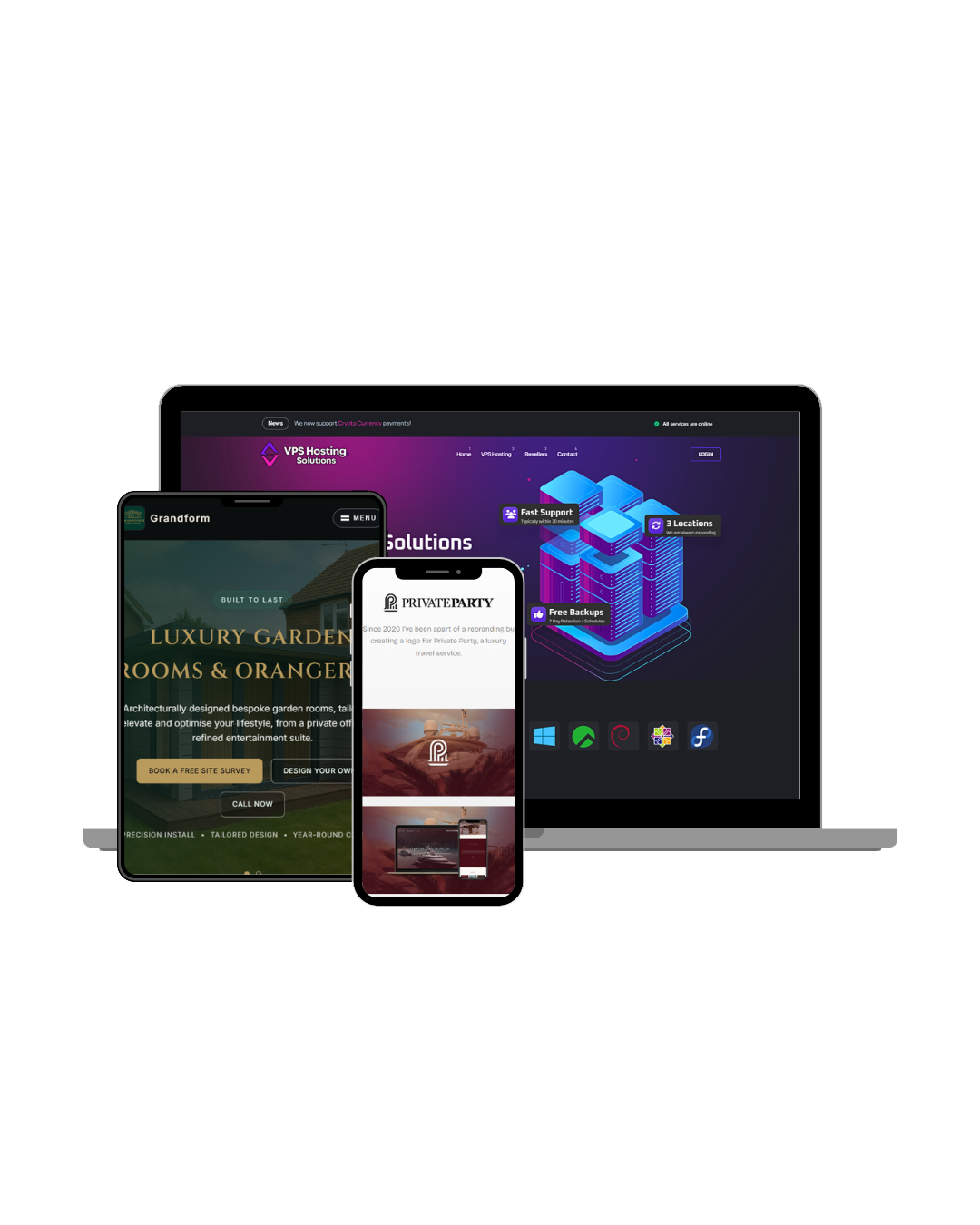
What is a managed website? A managed website combines the website design and build with ongoing hosting, maintenance, technical support and plan-level improvements. One provider looks after those responsibilities. The initial build or redesign is scoped separately from the monthly service, with costs agreed before work starts.
After building Ginger Cat Gems, we continued work on product and collection structure, technical SEO, internal links and collector content, using Search Console data to guide improvements.
StrikeX Angling receives continued support as its product range and ecommerce requirements develop. Ceezah shows a narrower arrangement: ongoing WordPress maintenance and technical help for a shop whose owner created its visual direction.
Both can suit a small business. The difference is who takes responsibility once the website is live and how future work is arranged.
Choose the level of help your business needs. Hosting keeps a site online; maintenance looks after an existing site; a managed website brings the build and ongoing care together.
For the infrastructure and support needed to keep your site online, see business web hosting in Loughborough. Website changes depend on the agreed service.
For updates, fixes and technical upkeep on a website you already have, see website maintenance. A new build is a separate decision.
Design and build, hosting, maintenance and support sit with one provider, with ongoing improvements matched to your plan. Compare what a website care plan includes.
Monthly plans start at £79 for a simple brochure website of up to four pages, plus a separately agreed one-time setup cost for the initial build. The monthly fee covers hosting, maintenance and support; the level of ongoing improvement work depends on the plan. See website pricing and plan inclusions.
A DIY builder or hosting account leaves more of the work with you. A one-off build may need a separate support agreement. The managed fee pays for an ongoing point of responsibility, so you know who to contact when something needs fixing or changing. Major new features, integrations and larger content projects are scoped separately.
The build and ongoing service are planned together. Your chosen plan sets the level of support and improvement work; setup or rebuild costs are confirmed before work starts.
Page structure, mobile-friendly layouts, service messaging and clear enquiry routes, with the initial build or redesign scoped upfront. If the immediate decision is the build itself, see our web design service in Loughborough.
The hosting environment and day-to-day technical upkeep are handled as part of the monthly service.
Routine updates, backups, security checks and monitoring, with technical fixes appropriate to your website and agreed scope.
A point of contact for technical help and agreed edits to text, images or layout as your business changes.
Plan-dependent work on content, speed, SEO, tracking and enquiry journeys. More active improvement work is covered by the Growth and Pro plans.
The plan defines included work. Full redesigns, major features, complex integrations and large content additions may need a separate quote.
The process stays simple: review, plan, build, launch, and manage. The detailed service process sits on the main how we build and manage websites page.
The website is planned around services, customer questions, and the enquiry path the business actually needs.
The site goes live with the core technical, content, and conversion work in place.
Updates, fixes, and improvement work continue after launch so the site stays useful instead of getting left behind.
For trades, professional services, local service businesses and suitable ecommerce projects, the practical question is who will keep the website working when you are busy running the business.
You want someone to handle technical administration and content changes. A new build or website redesign can lead into ongoing support from the same provider.
Services, prices or products change, but finding time to update the site is difficult. Agreed support keeps those changes moving without you managing hosting or software yourself.
If the current site is sound and only needs fixes or regular changes, website maintenance is likely the clearer fit.
If the website itself does not need managed improvement, use the dedicated business website hosting page.
Book a call to discuss your website, the support you need and the right plan. If you already have a site and are unsure what needs changing, start with a free website review.
We review the platform, condition and support needs first. If your current site is suitable, maintenance or supported hosting may be enough. If it needs rebuilding, we agree that work before starting the monthly service.
A care plan usually supports a website that already exists. Our managed service combines the design and build with hosting, maintenance, support and agreed improvements. The written scope matters more than the label.
Yes. Contact us for technical help and content changes within your plan. Larger features, integrations or a full redesign may be quoted separately; ongoing support does not mean unlimited development.
Ownership and handover depend on your service arrangement. The service terms explain subscription ownership and options such as transfer for a fee or migration. Confirm the arrangements for your website, domain and content before starting.
See more website case studies or explore our local web design across Leicestershire.

 Next Step